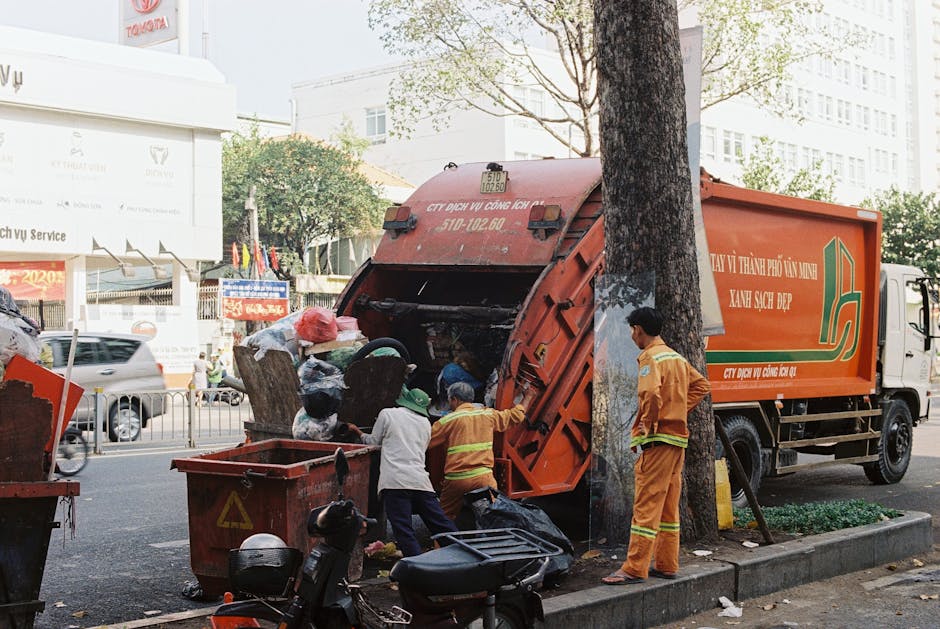
What to know about disposal laws for Kentish Town cleaning jobs
If you are arranging a clean in Kentish Town, disposal can get tricky fast. A bag of dust and wipes is one thing; a broken mug, old paint, a mattress, a pile of builder's rubble, or a used cleaning chemical is another. What to know about disposal laws for Kentish Town cleaning jobs is not just a paperwork question. It affects safety, cost, property handovers, and whether waste is handled lawfully from the start.
In practice, most problems happen because people assume all "cleaning waste" is the same. It isn't. Some waste can go in standard black bags, some should be separated for recycling, and some should be treated as controlled or hazardous waste. If you are a homeowner, tenant, landlord, facilities manager, Airbnb host, or cleaner working locally, this guide will help you make sensible decisions without getting lost in legal jargon.
There is a strong practical angle here too. A tidy job is only truly tidy if the waste leaves the site correctly. Let's face it, nobody wants a spotless hallway with a dodgy pile of rubbish left in the bin store afterwards.
Table of Contents
- Why disposal laws matter in Kentish Town cleaning jobs
- How waste disposal works in a cleaning job
- Key benefits of getting disposal right
- Who needs to think about this and when
- Step-by-step guidance for compliant disposal
- Expert tips for cleaner, safer results
- Common mistakes to avoid
- Tools, resources and recommendations
- Law, compliance, standards and best practice
- Options, methods and comparison table
- Case study or real-world example
- Practical checklist
- Conclusion
- Frequently asked questions
Why What to know about disposal laws for Kentish Town cleaning jobs Matters
Disposal laws matter because cleaning waste can become a legal, safety, and environmental issue the moment it leaves the property. In an ordinary domestic clean, that may mean food packaging, dust, wipes, and a few broken bits. In an end-of-tenancy clean, after-builders clean, or commercial job, it may also involve plaster dust, glass, sealed chemical containers, disposable PPE, carpet offcuts, or damaged furniture. Different waste types need different handling.
For Kentish Town specifically, space is often tight. Shared bin stores, narrow entrances, basement flats, and limited loading space can turn a simple waste run into a messy situation if it has not been planned. A cleaner who arrives with nowhere to sort or store waste can easily create complaints from neighbours or managing agents. That is the sort of thing that seems small at 9am and turns into a headache by lunchtime.
There is also a trust issue. If a cleaning company says it can do a "full clear-down" but leaves waste behind, or dumps everything into the nearest bin without checking what belongs where, the job may look cheap at first and expensive later. The better approach is to treat disposal as part of the service, not an afterthought. If you are comparing service standards, pages like deep cleaning and end-of-tenancy cleaning are useful starting points because they show how a proper clean usually includes waste planning, not just wiping surfaces.
Expert summary: the safest rule is simple: identify the waste before the job starts, separate anything unusual, and never assume a cleaner can legally dispose of everything the same way.
How What to know about disposal laws for Kentish Town cleaning jobs Works
The basic flow is usually straightforward. First, the cleaner or client identifies what waste will be produced. Then that waste is sorted into practical groups: general waste, recyclable materials, bulky items, and anything needing special care. After that, it is removed by the right method for the job and the property. That may mean using the building's bins, taking waste to an approved disposal point, arranging a licensed removal service, or leaving certain items for the client or landlord to manage separately.
The details matter. A cleaning cloth with dirt on it is not the same as a cloth soaked in solvent. A few crumbs and paper towels are not the same as a full bin bag of contaminated building waste. And a discarded curtain rail is not the same as a mattress, which in turn is not the same as a damaged sofa. That sounds obvious, but in real life these items often end up together in one heap unless someone takes control early.
If the work includes fabric-heavy items, you may also need to think beyond ordinary disposal. Some jobs are better handled as part of a wider refresh that includes upholstery cleaning, carpet cleaning, or oven cleaning rather than throwing away items that could have been restored. That saves waste, which is often better for the budget and the planet. To be fair, it also saves you from that slightly grim moment of dragging perfectly salvageable things to the kerb because no one checked first.
For commercial premises, waste handling is even more structured. Offices, landlords, and managing agents often expect records, clear segregation, and a reliable route for removal. A regular contract such as office cleaning or commercial cleaning should be designed with disposal procedures built in from day one.
Key Benefits and Practical Advantages
Getting disposal right is not just about obeying the rules. It improves the whole job in practical ways.
- Less risk of fines, complaints, or rejected waste if items are placed in the correct stream.
- Cleaner results because clutter, debris, and rubbish are removed in a controlled way.
- Better landlord and agent relationships after move-out or pre-tenancy work.
- Safer working conditions for cleaners and anyone else on site.
- More predictable pricing because special waste is identified before the job starts.
- Lower environmental impact where recyclable or reusable waste is separated properly.
One very ordinary example: after a tenant leaves, the cleaner finds broken kitchen items, a worn mattress topper, and a bag of mixed rubbish in the utility room. If those are handled separately instead of shoved into one bin bag, the process is neater, the local waste route is clearer, and everyone knows what has been removed. Nothing dramatic, just better housekeeping. And that, in these jobs, is half the battle.
For clients who want a cleaner home rather than a disposal headache, pairing routine work with regular cleaning or a one-off reset can reduce the volume of waste that builds up in the first place. Prevention sounds dull. It is effective, though.
Who This Is For and When It Makes Sense
This topic matters to anyone arranging or carrying out a cleaning job where waste leaves the site.
- Tenants who need to leave a property in good condition before checkout.
- Landlords and letting agents who want reliable handover standards.
- Homeowners clearing out after renovations, decorating, or a big family tidy.
- Airbnb hosts who face a steady stream of packaging, broken items, and forgotten bits between guests.
- Office managers dealing with old stationery, packaging, and broken fittings.
- Building managers handling communal waste, spillages, or post-works debris.
- Cleaning teams who need to understand what they can remove, what they should report, and what they should leave for specialist handling.
It becomes especially relevant for move-outs, deep cleans, and after-builders jobs. Those are the moments when hidden waste turns up. You open a cupboard and there it is: old batteries, dust-caked decorations, a cracked lamp, maybe three cable ties and a mystery screw that nobody claims. Kentish Town has plenty of older properties, so odd little leftover items are not unusual at all.
If you are preparing for a move, jobs like move-out cleaning and move-in cleaning are good examples of where waste planning should be built into the booking, not added later as an emergency.
Step-by-Step Guidance
- Inspect the space before any disposal starts. Walk through each room and note what will be thrown away, reused, recycled, or kept.
- Separate general cleaning waste from bulky items. Dust, wipes, and packaging should not be mixed with furniture, fixtures, or renovation debris.
- Check for anything hazardous or controlled. Old chemicals, bleach containers, sharps, batteries, paint, solvents, and contaminated materials need extra care.
- Confirm who is responsible for removal. Is the cleaner taking waste away, or is it staying on site for the client or building team? Get that clear early.
- Use the correct bins or collection route. Shared residential bins, commercial waste stores, and skip collections all have different expectations.
- Keep waste contained during the job. Use strong bags, secure containers, and sensible staging so waste does not leak, smell, or spread.
- Document anything unusual. If something looks unsafe or potentially regulated, note it and do not guess.
- Finish with a quick disposal check. The room may look clean, but you still want to confirm that nothing has been left in cupboards, behind doors, or under beds.
That final check sounds tiny, but it saves embarrassment. We have all seen jobs where a room looked beautiful until somebody lifted a hallway mat and found a little treasure pile underneath. Not ideal.
Expert Tips for Better Results
There are a few habits that make disposal much easier in real jobs.
First, sort early. If waste is left until the end, it tends to become a chaotic mix. If cleaners separate it while they work, the job stays calmer and safer.
Second, keep a "questionable items" pile. Anything you are unsure about should not be thrown into general waste by default. Put it aside and make a proper decision later.
Third, think about smell and moisture. Food waste, wet cloths, pet residue, and cleaning liquids can turn a serviceable bin bag into a problem pretty quickly. In warm weather, especially during the afternoon, that matters more than people expect.
Fourth, match the disposal plan to the service type. A light domestic visit is very different from after builders cleaning, where dust, fragments, and heavier debris are part of the package. Likewise, a refresh for guests may need more attention to waste from toiletries, packaging, and food items, which is why Airbnb cleaning often needs its own routine.
Fifth, be honest about capacity. If the waste volume is too high for standard collection, say so. It is much better to have that conversation before the work begins than after the bags have filled the hallway.
One small but useful trick: keep labels or a simple note system for categories like recycling, general waste, soft furnishings, and special items. It does not need to be fancy. A bit of tape and a marker pen can do more than a complicated plan no one follows.
Common Mistakes to Avoid
Most disposal problems come from a few avoidable habits.
- Mixing everything together. It is easy, but it creates compliance and recycling problems.
- Assuming the council bin is always fine. It may not be appropriate for all waste types, volumes, or business waste.
- Leaving hazardous items for later. "Later" can turn into "forgotten," which is where trouble starts.
- Forgetting landlord or building rules. Shared blocks often have their own bin management expectations.
- Not telling the cleaner about bulky waste in advance. A cleaner cannot plan what they do not know.
- Using damaged bags or weak containers. A split bag in a stairwell is nobody's friend.
- Throwing away items that could be cleaned or repurposed. This is common with textiles, furniture, and some household accessories.
Another common one is the "it's only a small item" excuse. Small does not always mean harmless. A tiny bottle of solvent is still a material that needs care. The same goes for batteries and broken glass. Size is not the whole story.
Tools, Resources and Recommendations
You do not need a warehouse full of equipment to handle waste properly, but a few practical tools help a lot.
- Heavy-duty bin bags for ordinary waste and damp cloths.
- Clearly marked containers for mixed recyclables and odd items.
- Gloves and basic protective kit so cleaners can handle sharp or dirty waste safely.
- Spill-proof tubs for products that might leak.
- Labels or tape to separate waste categories at source.
- Access notes for shared bin stores, loading areas, or basement exits.
On the planning side, it helps to review the business pages that explain how a provider handles service quality and safety. The pages for health and safety policy, insurance and safety, and recycling and sustainability are useful because they show the kind of thinking you want behind the scenes: safe handling, sensible procedures, and an environmental baseline that is not just lip service.
If you are comparing providers, it also helps to understand their commercial terms. A clear terms and conditions page should tell you what is included, what counts as extra, and how unusual waste is treated. For costs and booking clarity, pricing and quotes can help set expectations before anyone starts moving bags up and down the stairs.
Law, Compliance, Standards, or Best Practice
Although the exact legal position depends on the waste type and who produced it, the key principle is consistent: waste must be handled responsibly and lawfully. In UK practice, that usually means duty of care, correct segregation, and avoiding fly-tipping or careless disposal. For cleaning jobs, that duty can sit with the cleaner, the business owner, the landlord, the occupier, or a mix of them depending on the arrangement.
As a practical rule, do not assume ordinary household waste rules cover every job. Commercial premises, large volumes, renovation debris, and anything potentially hazardous may need a higher level of control. If there is any doubt, the safest move is to pause, identify the waste, and use the correct route rather than guessing. Guessing is where people end up in bother. Simple as that.
It is also wise to think about safety as part of compliance. Wet floors, broken glass, mouldy soft furnishings, rodent-contaminated waste, or sharp fragments can all create immediate risks. A good cleaning process should protect workers, residents, and visitors, not just make the place look nice. That is why services such as communal area cleaning and domestic cleaning benefit from clear site rules and sensible waste handling from the start.
Best-practice takeaway: if a cleaner cannot confidently explain how waste will be sorted, stored, and removed, that is a warning sign. You want plain, practical answers, not vague reassurance.
Options, Methods, or Comparison Table
Different cleaning jobs call for different disposal methods. Here is a simple comparison to make the choice easier.
| Waste / situation | Typical approach | Best for | Watch-outs |
|---|---|---|---|
| Light household rubbish | Bag and place in normal waste stream | Routine domestic cleans | Do not mix with sharps, chemicals, or bulky waste |
| Recyclable packaging and cardboard | Separate for recycling where available | Move-in jobs, office resets, guest turnover | Must be clean enough for recycling; greasy items may not qualify |
| Bulky household items | Arrange removal or special disposal route | End-of-tenancy, decluttering, house clearance | Check access, lifting risks, and ownership before removal |
| Renovation debris | Contain separately and use suitable collection method | After-builders cleaning | May not be suitable for ordinary bins |
| Potentially hazardous waste | Isolate and follow a specific handling route | Chemicals, batteries, contaminated materials | Never mix with general waste if unsure |
This table is not a substitute for job-specific judgement, but it does show the big picture. If you are dealing with soft furnishings, worn rugs, or stained upholstery, it may be worth checking whether cleaning is more sensible than disposal. Services such as rug cleaning, sofa cleaning, and mattress cleaning often preserve items that would otherwise become bulky waste.
Case Study or Real-World Example
Imagine a two-bedroom flat off a busy Kentish Town road after a tenant move-out. The rooms are mostly clean, but there is a mix of bin bags, broken hangers, an old vacuum hose, a cracked toaster, food packaging, and a sofa that the tenant says is "probably done for."
A rushed approach would be to shove everything into one pile and hope for the best. A better approach is more orderly. The cleaner separates general rubbish, keeps the packaging dry for recycling, flags the toaster as electrical waste, and asks the client to confirm how the sofa should be removed. The hallway stays clear, the bin store is not overloaded, and the agent gets a cleaner property with fewer post-visit issues.
Now add one small twist. Under the sink there are two half-used cleaning products with damaged labels. Those do not get tipped into a sink or tossed into ordinary waste by instinct. They are isolated, and the job notes make clear that they require further instruction. That one moment of caution can save a lot of grief later.
This is the kind of real-world job where good waste management quietly improves everything. No drama. No fuss. Just a better finish and fewer questions afterwards.
Practical Checklist
- Identify all waste before the clean starts.
- Separate general rubbish from recyclables.
- Isolate chemicals, batteries, broken glass, and any unusual items.
- Confirm who is responsible for final disposal.
- Check building bin rules and access arrangements.
- Use strong, sealed bags and suitable containers.
- Keep bulky items away from fire exits and shared walkways.
- Record anything you are unsure about.
- Make sure the property is left clean and empty of leftover debris.
- Re-check cupboards, under furniture, and storage spaces before leaving.
If you follow that list, you are already ahead of many rushed jobs. It does not need to be complicated. Just consistent.
Get a free quote today and see how much you can save.
Conclusion
What to know about disposal laws for Kentish Town cleaning jobs comes down to a simple idea: clean work is not finished until waste is dealt with properly. The safest and smartest approach is to identify waste early, separate it sensibly, and use the right route for anything bulky, contaminated, or unusual. That protects people, keeps the job compliant, and makes the whole service feel more professional.
In a busy part of London, where space is limited and property handovers matter, those little decisions make a big difference. A tidy bag, a clear plan, a sensible check at the end - it all adds up. And honestly, that is usually what separates a decent clean from a really good one.
When the details are handled well, the whole place feels calmer. That is the goal, really.
Frequently Asked Questions
What counts as cleaning waste in a Kentish Town cleaning job?
Cleaning waste includes anything removed during the job, such as dust, wipes, packaging, discarded cloths, broken items, old toiletries, and sometimes bulky objects or special waste. The exact list depends on the property and the type of clean.
Can a cleaner just throw everything into the normal bin?
Not always. Small amounts of ordinary rubbish may be fine, but bulky items, chemicals, batteries, glass, and renovation debris usually need a different approach. It is best to sort waste first rather than assume one bin suits every item.
Do disposal laws change for end-of-tenancy cleaning?
The core principles stay the same, but end-of-tenancy work often creates more waste and more varied waste. That means more attention to sorting, ownership, and whether items should be removed, recycled, or left for specialist disposal.
What should happen to old cleaning chemicals?
Old chemicals should be handled cautiously and not mixed casually with general rubbish. If labels are missing, containers are damaged, or the product is unknown, the item should be isolated and treated carefully.
Are landlords responsible for disposal after a tenant leaves?
Sometimes, but not always. Responsibility depends on the tenancy arrangement, what was left behind, and who agreed to manage removal. It is sensible to clarify this before work begins, especially if bulky waste is involved.
What if the cleaning job finds something hazardous?
Stop and separate it. Do not guess. A cleaner should flag the item, protect the area, and follow the agreed procedure. That is one of those moments where caution really matters.
Can reusable items be cleaned instead of thrown away?
Often, yes. Rugs, upholstery, mattresses, carpets, and sofas may be better restored than discarded if they are not structurally damaged. Services like upholstery, rug, and mattress cleaning can save money and reduce waste.
How do shared bin stores affect waste disposal in flats?
Shared bin stores can be a practical constraint. There may be rules on what can go where, how much can be left, and when collections happen. In a tight block, planning matters because overfilled bins create friction fast.
Is commercial cleaning treated differently from domestic cleaning?
Usually, yes in practice. Commercial sites often have larger volumes, stricter waste segregation expectations, and more emphasis on records and safe handling. The legal principles are similar, but the operational standard is often higher.
Should disposal be written into the quote?
It should, if the job is likely to create more than ordinary household waste. Clear quotes reduce misunderstandings about what is included, what costs extra, and whether bulky or specialist waste is covered.
What is the biggest mistake people make with waste during cleaning?
The biggest mistake is treating everything as the same type of rubbish. Once waste is mixed, it becomes harder to sort, harder to dispose of properly, and more likely to cause issues. Early separation is much easier.
How can I tell if a cleaning provider is serious about disposal compliance?
Ask them how they separate waste, what they do with unusual items, and whether disposal responsibilities are included in the service terms. A serious provider will answer clearly and practically, without dodging the question.
Contact the team if you want to talk through your job details and make the disposal side straightforward from the start.