Cleaner Kentishtown: Building a Healthier, Happier, and More Sustainable Community
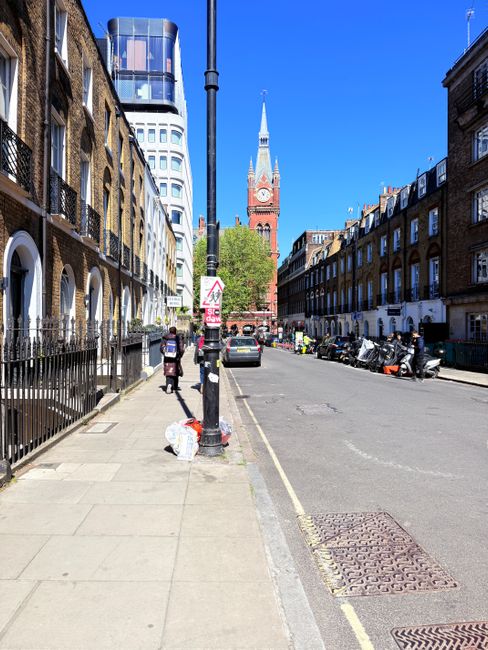
Kentishtown has always had a distinctive character, shaped by its streets, homes, small businesses, public spaces, and the daily routines of the people who live and work there. As neighborhoods evolve, one of the clearest signs of progress is not only what gets built, but how well the area is cared for. A cleaner Kentishtown is more than a visual improvement; it reflects pride, community responsibility, public health, and long-term sustainability. When streets are tidy, shared spaces are respected, and waste is managed carefully, the entire neighborhood feels more welcoming and more livable.
Cleanliness affects how people experience a place on many levels. It influences how safe a street feels, how likely families are to spend time outdoors, and how much care visitors believe residents have for their surroundings. A well-kept neighborhood can encourage better habits, improve local morale, and support economic activity by making the area more attractive to shoppers, diners, and businesses. The idea of Cleaner Kentishtown is therefore not just about removing litter or sweeping sidewalks; it is about creating an environment where community life can thrive.
In recent years, many urban communities have recognized that cleanliness is connected to broader goals such as sustainability, public well-being, and neighborhood resilience. A cleaner Kentishtown is a place where residents feel comfortable walking, children can play with greater ease, and public spaces are preserved for everyone’s enjoyment. This article explores the many dimensions of a cleaner neighborhood, from daily habits and shared responsibilities to environmental benefits and long-term community value.
Why Cleanliness Matters in Kentishtown
Clean neighborhoods create stronger first impressions, but their value goes far beyond appearances. When streets, parks, and communal areas are maintained well, residents experience fewer problems related to waste, pests, and unpleasant odors. This can make a substantial difference in quality of life. A Cleaner Kentishtown supports healthier living conditions by reducing the accumulation of trash, debris, and stagnant waste that can attract vermin or contribute to sanitation concerns.
There is also a psychological impact. People tend to treat places with more respect when those places already appear cared for. This principle, often associated with the idea of visible maintenance encouraging responsible behavior, can help reduce further littering and neglect. When a street is clean, people are more likely to keep it clean. When public benches are free of debris and sidewalks are orderly, residents and visitors are more likely to use them with confidence. In this way, Cleaner Kentishtown becomes a self-reinforcing standard of community pride.
Another important reason cleanliness matters is that it can support local identity. Every neighborhood tells a story through its physical environment. A well-maintained Kentishtown suggests attention, cooperation, and care, while a neglected one can signal the opposite. That does not mean perfection is required. Rather, it means the neighborhood benefits when residents, businesses, and institutions recognize that cleaner Kentishtown spaces contribute to a stronger social fabric and a more stable local culture.
The Everyday Habits That Shape a Cleaner Kentishtown
Creating a better environment often begins with simple daily actions. Residents play an essential role by disposing of waste properly, separating recyclables when possible, and keeping shared entryways and front steps tidy. These small habits may seem ordinary, but they collectively define how a neighborhood looks and feels. A clean Kentishtown is usually the result of many consistent decisions rather than one large event.
Households that take care with waste management help reduce overflow and prevent trash from becoming windblown litter. Businesses that keep their storefronts neat and their sidewalks swept contribute to a more pleasant commercial atmosphere. Property managers and landlords also shape the experience by maintaining bins, shared hallways, and outdoor areas in a clean condition. In practical terms, Cleaner Kentishtown living depends on cooperation between private routines and public spaces.
Community attitudes matter as well. When neighbors look out for one another and encourage considerate behavior, standards rise naturally. Children learn from adults who model proper disposal and respect for shared environments. New residents quickly understand what the neighborhood expects when cleanliness is visibly valued. Over time, these habits become part of the culture, making cleaner Kentishtown neighborhoods easier to sustain and more enjoyable for everyone.
Public Spaces and the Shared Responsibility of Care
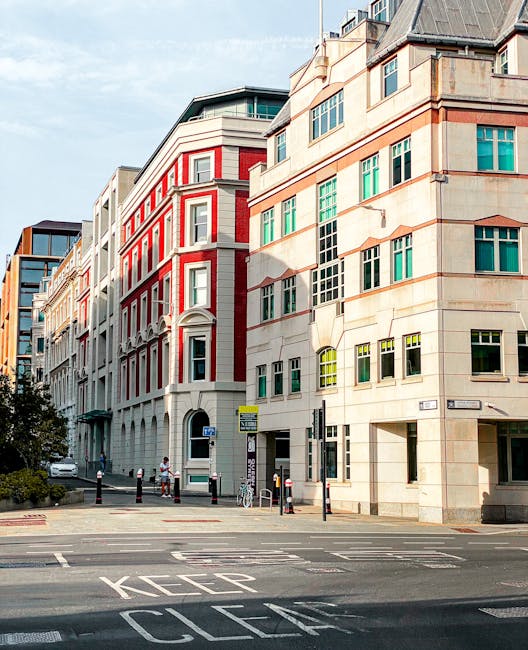
Public spaces are among the most important indicators of neighborhood quality. Parks, sidewalks, crossings, alleys, seating areas, and community gathering spots all reflect how the area is maintained. If these spaces are clean and orderly, they invite use and enjoyment. If they are cluttered or neglected, people may avoid them. For Kentishtown, the condition of shared spaces plays a major role in whether the area feels connected and vibrant.
Maintenance of these areas is not solely the responsibility of one group. Municipal services, local organizations, businesses, and residents each have a part to play. A cleaner neighborhood becomes possible when everyone understands that shared areas are truly shared. Leaving less waste behind, reporting problems promptly, and respecting communal property all help preserve these spaces for long-term use. The result is a Cleaner Kentishtown that feels inclusive and accessible.
Another benefit of well-kept public spaces is that they encourage outdoor activity. People are more likely to walk, sit, talk, and spend time outside when their surroundings are inviting. This can support stronger social ties and healthier daily routines. A neighborhood with clean public spaces often experiences a greater sense of belonging, because people naturally spend more time where they feel comfortable. That is one of the most meaningful outcomes of a Cleaner Kentishtown initiative even without formal campaigns or complicated planning.
Health and Environmental Benefits of a Cleaner Neighborhood
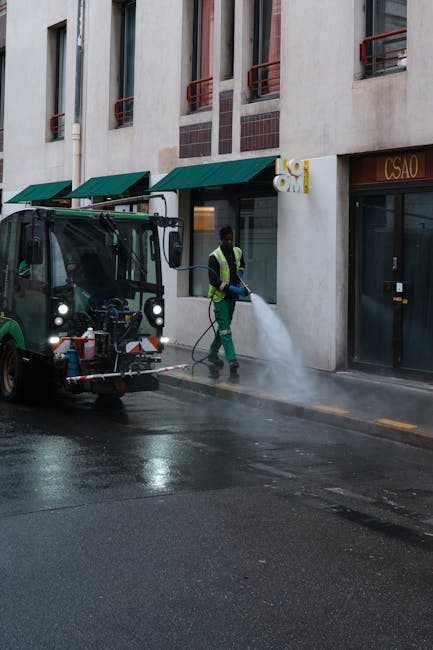
A clean environment contributes directly to public health. Waste accumulation can attract insects and rodents, create slip hazards, and worsen air quality when debris is disturbed. Damp or improperly stored waste can also produce odors that make outdoor areas unpleasant. By contrast, a Cleaner Kentishtown helps reduce these concerns and promotes more hygienic conditions for residents of all ages.
Environmental benefits are equally significant. Cleaner streets and open areas reduce the chances that waste will enter drainage systems or local waterways. Litter made of plastic and other non-biodegradable materials can persist for years if it is not properly handled. When a neighborhood pays attention to cleanliness, it reduces the burden on the surrounding ecosystem. This makes cleaner Kentishtown practices not just a community issue, but also an environmental one.
The relationship between cleanliness and sustainability is especially important in urban areas where green space and natural systems are already under pressure. Responsible waste handling, reduced litter, and careful use of shared resources all contribute to a more balanced local environment. A neighborhood that values order and tidiness is often better positioned to support broader ecological goals. In that sense, Cleaner Kentishtown aligns with both immediate quality-of-life improvements and long-term environmental stewardship.
How Local Businesses Benefit from Cleaner Kentishtown Conditions
Businesses thrive where people feel comfortable spending time. When sidewalks are clear, storefronts are maintained, and waste is managed properly, customers are more likely to enter shops, enjoy cafés, and return to the area in the future. A cleaner streetscape signals professionalism and care, two qualities that matter in competitive local markets. For this reason, Cleaner Kentishtown commercial areas can support stronger foot traffic and a better overall reputation.
Clean surroundings also improve the working environment for employees. Staff members are more likely to feel motivated and respected when their workplace and its immediate surroundings are orderly. Even small details, such as tidy entrances, clean windows, and litter-free frontages, can influence how businesses are perceived. A neighborhood known for cleanliness creates a more positive image for the entire local economy. That image can be especially valuable in areas where independent businesses depend heavily on repeat visits and community trust.
Moreover, a cleaner district can encourage longer visits and more positive experiences. People are willing to linger in places that feel cared for, and lingering often leads to spending. Whether someone is buying groceries, meeting friends, or exploring the area, a well-maintained environment shapes how they remember the experience. Over time, this becomes one of the strongest practical arguments for cleaner Kentishtown surroundings: they help support the neighborhood’s economic vitality while enhancing day-to-day life.
Community Pride and the Social Value of Clean Streets
Clean streets are about more than appearance; they are about identity. A neighborhood that looks after itself sends a message that residents value one another and take responsibility for the spaces they share. This can strengthen trust and encourage positive behavior. People are often more likely to volunteer, participate, and cooperate when they see that their efforts will be noticed and respected. In this way, Cleaner Kentishtown living becomes tied to civic pride.
There is also a social benefit in the way clean neighborhoods help people connect. When public areas are inviting, residents are more likely to walk outside, greet neighbors, and use local parks or seating areas. These casual interactions build familiarity and can gradually support stronger relationships across age groups and backgrounds. A cleaner area is therefore not just visually pleasing; it can also become a setting for daily community life, where the simple act of being outside feels more natural and enjoyable.
Social cohesion is especially important in urban neighborhoods where people may live close together but still feel disconnected. Shared standards around cleanliness can bridge that gap by creating a common expectation that benefits everyone. Even when people come from different backgrounds, they can agree on the value of tidy streets, respected public spaces, and responsible waste disposal. That shared understanding is one of the foundations of a cleaner Kentishtown community and can make the neighborhood feel more united.
Small Design Choices That Support a Cleaner Kentishtown
Urban cleanliness is not determined only by behavior; design also matters. The placement of bins, the quality of paving, the availability of seating, and the layout of pedestrian routes all affect whether spaces remain tidy. Thoughtful design can make it easier for people to do the right thing. For example, if waste bins are accessible and visible, fewer items are likely to end up on the ground. In this way, good design supports Cleaner Kentishtown environments by making tidiness more convenient.
Landscaping choices can also help. Properly maintained greenery can make streets look fresh and inviting while reducing the visual impact of urban clutter. Trees, shrubs, and planted areas soften hard surfaces and create a sense of care. However, these features need maintenance too, because overgrown plantings or poorly managed beds can become messy themselves. The best neighborhoods balance beauty with practicality, creating spaces that are both attractive and easy to maintain. That balance is key to sustaining cleaner Kentishtown streets over time.
Lighting contributes as well. Well-lit areas are generally safer and more likely to be respected. When people can see clearly, litter and disorder stand out more, which can discourage careless behavior. Good infrastructure does not solve every cleanliness challenge, but it makes responsible habits easier to reinforce. As a result, design, maintenance, and community behavior work together to support a neighborhood that remains orderly and welcoming.
Long-Term Value of Maintaining Cleaner Kentishtown Standards
Maintaining a clean neighborhood over time provides lasting returns. The immediate benefits are easy to notice: less litter, better curb appeal, and more pleasant outdoor spaces. But the deeper value comes from consistency. When cleanliness becomes part of the neighborhood’s identity, people stop seeing it as an occasional improvement and begin seeing it as the normal standard. That is how a Cleaner Kentishtown mindset endures.
Long-term maintenance also reduces the burden of larger cleanup efforts. Regular care is typically easier and less disruptive than dealing with major neglect later. A small amount of attention repeated steadily can prevent bigger problems from developing. This applies to both public and private spaces. Keeping a sidewalk tidy today, for instance, is far easier than restoring a heavily littered area after weeks or months of disregard. Over time, this approach can save effort, reduce costs, and preserve the neighborhood’s character.
The value of consistency extends beyond physical maintenance. It influences how people think about the area and how future generations learn to treat it. Children growing up in a clean environment are more likely to adopt similar habits as adults. New residents entering a neighborhood with strong standards are more likely to follow them. In this sense, cleaner Kentishtown habits become part of a living tradition that shapes the area’s future.
Creating a More Welcoming Future for Kentishtown
A cleaner neighborhood is not only a response to present concerns; it is an investment in future possibilities. When people feel good about where they live, they are more likely to take care of it, advocate for it, and contribute to its success. This creates a positive cycle in which improvement encourages further improvement. Kentishtown has the potential to benefit from that cycle by continuing to value tidiness, shared responsibility, and thoughtful stewardship.
There is also an important human dimension to all of this. Clean surroundings reduce stress, support dignity, and help people feel respected in their daily lives. Whether someone is walking to work, taking a child to the park, or sitting outside with neighbors, a tidy environment makes the experience more pleasant. That emotional effect should not be underestimated. A Cleaner Kentishtown is not simply a cleaner place; it is a more comfortable and more hopeful one.
Ultimately, the goal is not perfection but progress. Every step that reduces waste, improves maintenance, and strengthens community care contributes to a better neighborhood. A cleaner, healthier, and more attractive Kentishtown can be achieved through steady effort and a shared understanding of what makes a place worth caring for. When residents, businesses, and public spaces all reflect that commitment, the result is a neighborhood that feels balanced, respected, and ready for the future.
Practical Benefits Residents Notice Every Day
One of the clearest signs of a Cleaner Kentishtown is how daily life feels easier. People notice cleaner sidewalks when they take a morning walk, better-kept entrances when they come home, and more inviting shared spaces when they spend time outside. These may seem like small details, but they shape the tone of everyday routines. A tidy environment reduces friction and creates a smoother experience for everyone who moves through the area.
Residents also benefit from reduced visual clutter. A street free of scattered waste, broken packaging, and excess debris feels calmer and more organized. That sense of order can influence mood and concentration. Many people find that cleaner surroundings help them feel less distracted and more at ease. Over time, this makes Cleaner Kentishtown living feel less like an ideal and more like an everyday reality worth preserving.
Another practical benefit is the way cleanliness supports neighborhood reputation. Guests, delivery workers, customers, and visitors all form opinions based on what they see. When Kentishtown appears well cared for, it tends to be remembered positively. That can have subtle but meaningful effects on community confidence. People often take greater pride in a place that is recognized as orderly, and that pride can encourage more responsible behavior across the board.
Shared Commitment and the Meaning of Community Care
Community care is strongest when it becomes routine rather than exceptional. In neighborhoods that function well, people do not wait for problems to become obvious before taking action. They notice, they respect, and they participate in upkeep. A cleaner Kentishtown neighborhood depends on this kind of shared commitment because no single effort can maintain an entire district on its own. It is the combination of countless mindful actions that creates lasting results.
That commitment can take many forms. Some people keep their immediate surroundings spotless. Others help maintain shared areas or encourage neighbors to do the same. Businesses may ensure that their exteriors remain tidy and inviting. Property owners can support cleanliness through regular maintenance and thoughtful waste storage. Even simply choosing not to litter is part of the larger pattern. When these actions are repeated across the community, they build a visible standard that everyone benefits from.
In the end, a Cleaner Kentishtown is a reflection of collective values. It shows that people care about where they live and understand that shared environments deserve shared respect. That understanding is powerful because it turns cleanliness into a community practice rather than a chore. The result is a neighborhood that feels more attractive, more functional, and more connected to the people who call it home.
The Future of Cleaner Kentishtown
Looking ahead, the idea of a Cleaner Kentishtown will continue to matter as communities place greater emphasis on livability, environmental awareness, and neighborhood identity. Clean streets and well-kept spaces are not luxuries; they are part of what makes a city humane and resilient. A neighborhood that remains attentive to these basics is better equipped to support residents, attract positive attention, and foster a lasting sense of belonging.
As expectations evolve, the meaning of cleanliness may become even broader. It may include more careful waste reduction, better use of public space, and stronger awareness of environmental impact. Yet the foundation remains the same: people notice and value places that are cared for. Kentishtown’s future will be shaped by that simple truth. Every tidy block, every respected shared space, and every thoughtful habit adds to the long-term health of the area.
A cleaner neighborhood is one where respect is visible, community is active, and daily life feels more pleasant. Kentishtown has every reason to embrace that vision. By continuing to support clean surroundings and responsible shared behavior, the area can strengthen both its present quality of life and its future promise. That is the lasting meaning of Cleaner Kentishtown: a better place to live, work, and grow.