Communal Area Cleaning in Kentish Town
If you manage, own, or live in a shared building in Kentish Town, keeping common areas clean can make a huge difference to how a property feels day to day. Stairwells, entry halls, lifts, landings, bin stores, and shared corridors are the first spaces residents and visitors see, and they are also the areas that collect dust, foot traffic, fingerprints, litter, and marks most quickly. A reliable communal area cleaning in Kentish Town service helps maintain a welcoming, hygienic, and well-kept environment for everyone who uses the building.
Local properties in and around Kentish Town vary from converted Victorian terraces and purpose-built flats to newer apartment blocks, mixed-use buildings, and managed estates. Each type of property has its own cleaning needs. Shared entrances may need regular attention after busy commuter times, while older staircases may require more careful treatment to protect paintwork, bannisters, and original finishes. A good local cleaning team understands these practical differences and plans the work around them.
Whether you need routine upkeep for a residential block or a dependable cleaning schedule for a commercial building, the aim is the same: keep communal spaces presentable, safe, and comfortable for users. Contact us today to arrange a service plan that suits your building, your schedule, and the way people actually use the property.
Why communal cleaning matters in Kentish Town
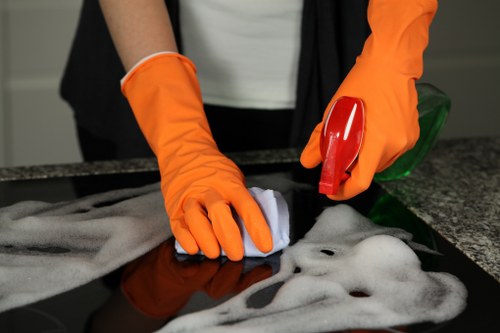
Shared areas carry more wear than private homes because many people pass through them every day. Dust from the street, wet footwear in poor weather, mud from nearby footpaths, and general traffic all build up quickly. In Kentish Town, where residents may be moving in and out at different times and multiple households share access points, it is easy for small issues to become noticeable fast. A clean entrance creates a better first impression and helps the building feel cared for.
There is also a practical side. Clean communal spaces reduce odours, improve visibility on stairs and landings, and make regular inspections easier for managing agents, landlords, and property teams. Areas such as lift buttons, handrails, intercom panels, bin rooms, and door handles are touched constantly and benefit from regular wiping and sanitising. Communal area cleaning in Kentish Town is not just about appearance; it supports everyday comfort and general building upkeep.
For residents, a tidy shared area can also reduce tension. When bins are emptied properly, floors are swept, cobwebs are removed, and notice boards are kept neat, there is less chance of complaints about mess building up. That is especially useful in buildings with mixed occupancy, where different people may have different expectations about cleanliness. A regular service helps set a clear standard for the whole property.
What is included in communal area cleaning?

Every building is different, so a good service should be tailored to the site rather than offered as a one-size-fits-all package. Typical tasks for communal area cleaning may include sweeping, vacuuming, mopping, dusting, polishing, and general sanitising of high-touch points. Depending on the property, the work can also include light exterior tidying around shared entrances and bin collection points.
Common tasks often requested by Kentish Town customers include:
- Cleaning entrance lobbies and reception-style common spaces
- Vacuuming and mopping staircases, landings, and corridors
- Wiping bannisters, skirting boards, doors, and switches
- Cleaning lift interiors, buttons, mirrors, and door surrounds
- Dusting ledges, pipework, frames, and accessible surfaces
- Removing cobwebs from corners, ceilings, and light fittings
- Emptying communal bins and tidying bin storage areas
- Spot-cleaning marks from walls, glass, and finger-contact areas
- Refreshing mats and entry points where dirt is carried in
Some buildings also need periodic deeper attention, such as cleaning internal windows, removing built-up grime from corners, or addressing areas that are missed during routine visits. The right plan should reflect how busy the building is, the number of floors, and whether residents, office staff, customers, or visitors move through the premises throughout the day.
Who needs this service?

Communal area cleaning in Kentish Town is suitable for a wide range of properties and clients. Residential blocks often need regular cleaning to keep shared entrances and corridors in good condition, while commercial properties may need a more polished presentation for staff, tenants, and customers. Mixed-use developments can be especially demanding because different parts of the building may need different approaches.
Typical customers include:
- Landlords with maisonettes or converted houses
- Block management companies and managing agents
- Residents’ associations looking after shared buildings
- Housing providers and estate managers
- Office buildings with shared entrances and lift areas
- Mixed-use premises with flats above commercial units
- Developers handing over completed communal spaces
In a place like Kentish Town, where building styles and ownership arrangements can vary from street to street, it helps to work with a cleaning team that is used to different access arrangements, keyholding protocols, and building rules. A dependable cleaner will know how to work around residents, office users, and contractors without causing disruption.
Book your service now if you want a straightforward, regular cleaning arrangement for a shared property that needs consistent care.
Why a local Kentish Town team makes sense

Using a local service brings practical benefits. Kentish Town is busy, with streets that can be tight for parking and access, especially around larger blocks, mews-style properties, and older residential roads. A local team is more likely to understand these conditions and plan visits accordingly. That can save time and help ensure the job happens smoothly, even when access is limited or timings need to be flexible.
Local experience also helps with property variety. Some communal areas are modern, bright, and easy to maintain. Others may include older tiled floors, painted staircases, delicate stonework, narrow flights, or shared entrances that need gentle but effective cleaning. A local cleaner who works in Kentish Town regularly is better placed to choose methods and products suited to each type of surface.
There is also the benefit of responsiveness. If a building has extra footfall after an event, bad weather, a bin issue, or an unexpected spill, a nearby cleaning team can often adapt more easily than someone travelling from far away. That matters for residential buildings, where cleanliness affects day-to-day comfort, and for commercial premises, where presentation can influence how a space is used.
Why choose a local company?
- Better understanding of local building layouts and access points
- More practical scheduling around traffic, parking, and entry restrictions
- Flexible support for busy or changing properties
- Relevant experience with flats, mansion blocks, and mixed-use sites
- Clearer communication with property managers and residents
What to expect from a professional cleaning visit

A professional service should feel organised from the start. It usually begins with a site review or a discussion about the building’s needs, including the number of floors, how often the communal areas are used, whether there are lifts, and whether there are any special surfaces or access instructions. That helps create a realistic plan rather than a vague promise.
The service itself should be consistent. For example, if a building requires weekly cleaning, residents and managers should know what is covered each time. If a property needs more frequent visits because of heavy traffic, that schedule can be adjusted. In many cases, a cleaning routine will be built around the times when residents are least likely to be disrupted, such as early mornings or between busy periods.
Professional cleaners should also respect the building. That means closing doors securely, keeping shared spaces safe while cleaning is underway, and working carefully around residents’ belongings, post areas, prams, pushchairs, bikes, and footwear storage. Good communal cleaning is as much about discretion and care as it is about technical cleaning methods.
Common cleaning challenges in Kentish Town properties
Kentish Town properties can face a range of day-to-day cleaning issues. Shared stairwells often collect dirt from foot traffic, especially in wet or windy weather. Entrances near busier roads or main walking routes may need more frequent sweeping because dust and debris come in from outside. In older converted buildings, limited ventilation can make odours more noticeable if bin areas are not maintained properly.
Another common issue is access. Many shared buildings have intercom systems, coded doors, narrow side entrances, or staircases that make carrying equipment slightly more difficult. Some properties have limited parking or loading space, so timing and planning matter. A local team used to communal area cleaning in Kentish Town will usually be more comfortable navigating these practical challenges without causing inconvenience to residents or building users.
High-touch surfaces are another concern. Door handles, lift buttons, handrails, and entry systems collect fingerprints and germs throughout the day. Regular attention to these surfaces supports better hygiene and keeps the building looking cared for. In busy residential blocks, that attention can make a noticeable difference to how clean the property feels when people come and go.
How cleaning plans can be tailored
Not every property needs the same approach. A small block with a single staircase may need a simple weekly clean. A larger apartment building with lifts, shared corridors, and a refuse area may need more frequent visits. Commercial buildings often require a more presentation-focused routine, especially in entrance areas where first impressions matter.
Tailoring the plan can involve:
- Choosing the right cleaning frequency for the level of footfall
- Matching tasks to the surfaces and finishes in the building
- Prioritising high-use areas such as entrances and handrails
- Including periodic deeper cleans where needed
- Adjusting around resident access and building management rules
This flexible approach helps keep the work efficient and relevant. It also makes it easier to budget for the service because you are paying for the tasks your property genuinely needs, rather than unnecessary extras.
Residential communal cleaning for flats and shared homes
For residential customers, the main aim is usually to keep shared areas pleasant, safe, and free from build-up. In blocks of flats, even a small amount of neglect can quickly become obvious. Dust on skirting boards, marks on walls, leaves in the hallway, and untidy bins all create the impression that the building is not being looked after. Regular cleaning prevents that and helps protect the value and appeal of the property.
Residents also benefit from more than visual improvement. Clean stairs and landings reduce the chance of slippery build-up, especially when rain is tracked in. Wiped handrails and clear entry points also support better day-to-day use for families, older residents, visitors, and anyone carrying shopping, pushchairs, or parcels through the building. In a busy Kentish Town block, those small details matter.
Many residential customers ask for a service that works quietly in the background. That might mean regular weekday visits, a fixed cleaning checklist, and a team that communicates clearly with the person responsible for the building. The best arrangements are straightforward: people know what is happening, when it is happening, and what should be cleaned each time.
Commercial communal areas and mixed-use buildings
Commercial properties have their own priorities. Shared lobbies, entrances, lift areas, and corridors can affect how a business premises is perceived by staff, tenants, and visitors. If a building includes offices, clinics, studios, or customer-facing spaces, a clean communal area helps create a more professional environment and supports a better daily experience for everyone using the building.
Mixed-use buildings need special care because residential and commercial traffic often overlap. Staff may arrive at the same time as residents are leaving, deliveries may happen through shared access points, and bin storage may need to serve different users. A skilled cleaner can work around this by focusing on timing, consistency, and sensible task priority. That can include more frequent cleaning of entrances, mail areas, and shared corridors during busier periods.
For property managers, having one reliable service for the communal sections of a building can simplify administration. Instead of dealing with complaints about dusty halls, dirty lifts, or neglected bin rooms, they can rely on a regular schedule that keeps the property in better shape. That makes a difference to tenants too, because well-maintained shared areas suggest the building is being managed properly.
Surface care and material awareness
Not all communal areas can be cleaned the same way. Painted walls, natural stone, vinyl flooring, carpet runners, glass panels, and polished metal fittings all need different handling. Using the wrong product or method may leave streaks, damage finishes, or cause long-term wear. That is why communal area cleaning in Kentish Town should be carried out by a team that pays attention to the materials on site.
Good cleaning practice usually involves using suitable products, checking high-contact areas carefully, and treating marks in a controlled way rather than using harsh methods everywhere. In older Kentish Town properties, this is particularly important because some features may be more delicate or harder to replace if damaged.
What should be included in a cleaning checklist?
A clear checklist helps everyone know what the service covers. It also creates consistency across visits, which is useful for managing agents, landlords, and residents. The exact list will depend on the property, but a practical communal area checklist might look like this:
- Sweep and mop hard floors
- Vacuum carpets and stair runners
- Dust reachable surfaces and corners
- Wipe handrails, switches, and door handles
- Clean mirrors, glass, and door panels
- Remove litter and tidy communal entry areas
- Check and clean bin store access points
- Spot-clean marks on internal doors and walls
- Refresh visible areas around entrances and lobby spaces
- Report obvious issues such as broken lights or recurring spills
Some properties also request additional tasks from time to time, such as internal window cleaning, extra attention before inspections, or a deeper clean after maintenance work. The important thing is to keep the plan realistic and measurable, so the results remain visible.
How often should communal areas be cleaned?
There is no single answer, because cleaning frequency depends on building size, footfall, occupancy, and how the property is used. A smaller residential block with limited traffic may only need a weekly visit. Larger apartment blocks, busy shared entrances, and commercial properties often need more frequent attention, sometimes several times a week.
Factors that affect frequency include:
- Number of residents, tenants, or staff using the space
- Presence of lifts, long corridors, or multiple staircases
- Weather exposure from open entrances or external access routes
- How often bins are collected and whether a bin store is shared
- Whether the building has customer-facing or visitor-heavy areas
If you are unsure what is appropriate, it is usually better to start with a sensible routine and review it after a few weeks. That way, you can see whether the cleaning frequency matches the building’s actual use.
Pricing factors for communal cleaning
While exact prices are not fixed here, it helps to understand what usually affects the cost of a communal cleaning service. This allows building managers and owners to request a quote with the right information and compare options more confidently.
Common pricing factors include:
- Size of the communal area
- Number of floors, staircases, and landings
- Whether lifts, glass, or specialist finishes are included
- How often the cleaning is required
- Condition of the property at the start of the service
- Any additional tasks such as bin area cleaning or periodic deep cleaning
- Access arrangements, security procedures, and timing requirements
Providing clear details at the enquiry stage makes it easier to receive a useful quote. If your building has unusual access, narrow stairwells, or specific cleaning needs, mention those early so the service can be planned accurately. Request a free quote when you are ready to compare the most suitable options for your property.
Preparation checklist before your first visit
A little preparation makes the first cleaning appointment smoother and helps the team get started efficiently. In shared buildings, it is especially useful to make sure access arrangements and expectations are clear from the beginning. That avoids confusion and supports a better long-term routine.
Before the first visit, it helps to:
- Confirm which areas are included in the cleaning plan
- Make sure access instructions are up to date
- Inform residents or occupiers about the chosen cleaning times
- Clear away large obstructions from landings or corridors
- Share any known problem spots, stains, or recurring issues
- Point out fragile surfaces or areas needing extra care
Some blocks also benefit from a quick walk-through at the start, especially if the building is older or has unusual features. That gives the cleaner a chance to identify practical details such as where to store equipment, how to avoid disrupting residents, and which areas need the most attention. It also helps create a smoother routine for future visits.
Areas covered around Kentish Town
Local communal cleaning work often extends beyond one street or one block. Customers in Kentish Town may also need service in nearby streets and surrounding neighbourhoods where shared buildings, apartment conversions, and mixed-use developments are common. That can include nearby residential pockets, busier routes with flats above shops, and developments close to transport links or commuter corridors.
For property owners and managers, it is useful to work with a team that is already familiar with the local area. It makes planning easier when cleaners know that parking may be limited, that access may involve side gates or shared entrances, and that some buildings are easier to service at quieter times of day. Local familiarity can save time and reduce disruption, which is important when several people depend on the building being kept in good order.
If your property sits on a busy road, has restricted entry, or includes both residential and business users, let the cleaning team know at the outset. That allows the schedule to be adapted to suit the building rather than forcing the building to fit the schedule.
Frequently asked questions
How do I know if my building needs regular communal cleaning?
If your entrance, stairs, corridors, or bin area start to look untidy between occasional cleans, regular service is likely worthwhile. Buildings with multiple residents, heavy footfall, or shared entrances generally benefit from a routine rather than ad hoc cleaning.
Can the service be adapted for small blocks?
Yes. Small blocks and converted houses often need a lighter, more focused routine. A cleaner can concentrate on the areas that matter most, such as entry halls, stairs, and handrails, without adding unnecessary tasks.
Is communal cleaning suitable for commercial buildings too?
Absolutely. Offices, mixed-use buildings, and customer-facing premises often rely on clean shared areas to create a professional impression and keep the building pleasant for everyone who uses it.
What if the building has difficult access or no parking nearby?
That is common in many parts of Kentish Town. A local team can usually work around restricted access, timed entry, and limited parking by planning visits carefully and bringing the right equipment for the site.
Can extra attention be given to lifts and high-touch points?
Yes. These are some of the most important areas in many buildings. Lift buttons, railings, handles, and entry controls can be prioritised as part of the regular routine.
How do I arrange a quote?
Simply provide the property type, size, number of floors, frequency needed, and any special access details. That information helps shape a suitable service plan. Contact us today if you are ready to discuss your building requirements.
Why choose a professional service instead of doing it in-house?
Some smaller buildings try to manage communal cleaning informally, but this can lead to uneven results. One resident may do more than another, or the tasks may only happen when people remember. Over time, that often means cleaning becomes inconsistent. A professional service provides structure, reliability, and a clear standard.
There is also the issue of time. Residents and building staff already have enough to do without taking on regular stair cleaning, bin room tidying, or lift polishing. A dedicated service frees people from that responsibility and ensures the job is carried out properly. For landlords and managers, it also provides a more organised way to look after the property.
In a busy area like Kentish Town, where shared buildings can see a lot of movement and varied use, that consistency is valuable. Clean communal spaces help support a better living or working environment, reduce complaints, and make the property easier to manage overall.
Reliable, practical, and suited to local properties
When people look for Communal area Cleaning in Kentish Town, they usually want a service that is dependable, easy to arrange, and appropriate for the building type. They want common areas that look cared for without needing to manage the process themselves every week. They also want cleaners who understand the realities of local buildings, from narrow staircases to busy shared entrances.
That is why the best service is one that combines local knowledge, practical scheduling, and a clear understanding of what the building needs. Whether you are maintaining a compact block of flats or a larger mixed-use property, the aim is the same: clean shared spaces that make daily life easier and more pleasant.
Ready to improve your shared spaces?
If your building would benefit from a regular, well-planned cleaning routine, now is a good time to take the next step. Book your service now or request a free quote to discuss the right cleaning plan for your communal areas in Kentish Town.