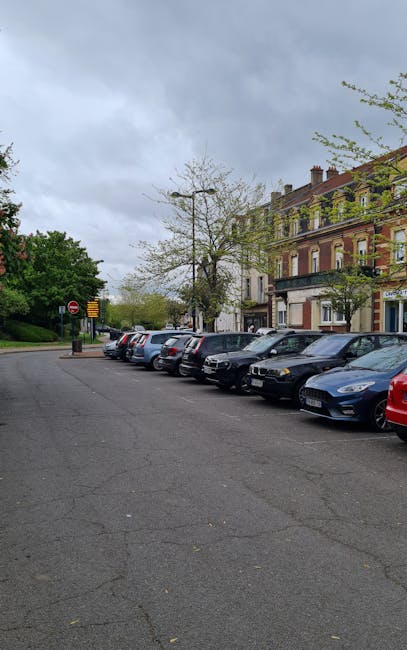
Access and parking problems for Kentish Town cleaners solved
Posted on 12/06/2026
If you have ever tried to organise a clean in a busy part of London, you will know the little headaches add up fast: the wrong entrance, no lift access, a blocked mews, nowhere legal to stop, a client who forgets to buzz you in, and suddenly a simple job starts feeling oddly complicated. That is exactly why Access and parking problems for Kentish Town cleaners solved is such a useful topic. In Kentish Town, getting the cleaner to the door is often half the battle.
This guide explains how access and parking issues actually get solved in practice, why they matter for homes and businesses, and what you can do to make every visit smoother. We will cover common pitfalls, realistic planning steps, compliance basics, and a few local nuances that are easy to miss when you are in a rush. Truth be told, a cleaner can do brilliant work, but only if they can get in, park sensibly, and start on time.
For readers comparing services, it may also help to look at the broader services overview and the practical notes on pricing and quotes. Those pages are useful when you are trying to understand what affects a visit before anyone turns up with a vacuum and a full kit.
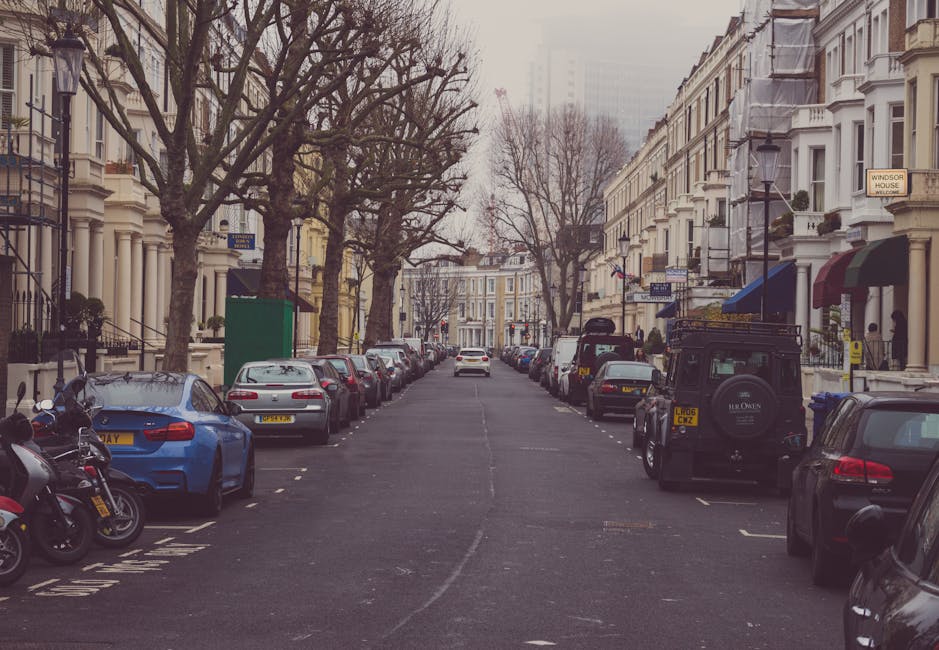
Table of Contents
- Table of contents
- Why access and parking problems matter
- How access and parking problems for Kentish Town cleaners solved works
- Key benefits and practical advantages
- Who this is for and when it makes sense
- Step-by-step guidance
- Expert tips for better results
- Common mistakes to avoid
- Tools, resources and recommendations
- Law, compliance, standards and best practice
- Options, methods and comparison table
- Case study or real-world example
- Practical checklist
- Conclusion
- Frequently Asked Questions
Why access and parking problems matter
In Kentish Town, access and parking are not minor details; they shape the whole service experience. A cleaner may need to carry equipment through a busy street, find a controlled parking space, wait for a concierge, or navigate narrow stairwells in a Victorian conversion. If any one of those steps goes wrong, time slips away. That affects punctuality, efficiency, and sometimes the quality of the clean itself.
For homes, the impact is usually simple: the appointment runs long, the cleaner has less time on the task, or you may need to reschedule. For offices, the stakes can be higher. Missed start times can interfere with business opening hours, staff arrivals, or same-day handovers. A tiny parking delay at 7:30 a.m. can echo through the whole day. It is the sort of thing nobody notices when it goes right, and everybody notices when it goes wrong.
Kentish Town also has a mixed property layout. You get mansion blocks, terraces, basement flats, shopfronts, office suites, converted houses, and a fair number of buildings with awkward entry points. That variety is lovely in a local character sense, but it does mean no one should assume access is simple. If you want a broader feel for the neighbourhood, the pieces on Kentish Town from a local's view and the allure of Kentish Town add useful context on how the area's streets and buildings shape everyday logistics.
Key takeaway: cleaner access and parking planning is not admin for admin's sake. It is what turns a potentially messy visit into a smooth, predictable appointment.
How access and parking problems for Kentish Town cleaners solved works
The best solution is usually a simple process, repeated consistently. It starts before the appointment, not after the cleaner arrives stuck behind a delivery van and a resident's car. In practice, the process looks like this:
- Identify the access route. Front door, rear entry, shared lobby, concierge desk, side gate, loading bay, or service lift.
- Check parking conditions. Is short-stay parking nearby, is a permit needed, or is there a reliable drop-off point?
- Confirm building rules. Some flats, estates, and offices need visitor access instructions, ID, or advance notice.
- Choose the right arrival window. Early morning, midday, or after office hours can make a huge difference in Kentish Town.
- Set communication expectations. A good cleaner should know who to call, where to wait, and what to do if the entrance is locked.
That is the whole game, really. Not glamorous, but effective. The cleaner arrives with less uncertainty, the client gets fewer disruptions, and the work starts sooner. Some jobs need only a quick call and a postcode check. Others benefit from a fuller briefing with access codes, concierge details, or a note about tight staircases. Small thing, big difference.
If the job is time-sensitive, such as an end-of-tenancy clean or a same-day booking, it helps to think ahead about entry and parking as part of the booking itself. You can see the kind of local pressure that creates urgency in related posts like same-day house cleaning around The Forum and cleaning services near Kentish Town Station. Those areas can be busy, so clear instructions matter more than people expect.
Key benefits and practical advantages
Solving access and parking problems is not only about convenience. It changes the economics and reliability of the whole service. Here are the main benefits.
- Fewer delays: the cleaner can start on time instead of circling for a space or waiting in the rain.
- Better value: less wasted time means more of the appointment is spent cleaning, not troubleshooting.
- Lower stress: clients do not have to keep answering the door, texting updates, or chasing ETAs.
- Improved finish: when the team has the right access, they can bring the correct tools and complete the job properly.
- Safer carrying conditions: fewer unnecessary trips with equipment reduce the chance of slips, bumps, or awkward lifting.
- More reliable recurring visits: regular domestic, office, or tenancy cleans become genuinely predictable.
There is also a softer benefit: trust. When a cleaner turns up prepared for the building and the street, it signals professionalism straight away. People notice that. In a business setting, especially, it helps the service feel organised rather than improvised.
For landlords and letting agents, this matters during move-outs and final inspections. For homeowners, it matters when the house is busy, the kids are around, or you simply do not want cleaning day to become a mini logistical crisis. Fair enough, who does?
Who this is for and when it makes sense
This kind of planning is useful for a lot more people than you might think. It is not just for large properties or office buildings.
- Flat owners and tenants in converted houses, mansion blocks, and basement apartments.
- Landlords and letting agents arranging end-of-tenancy or turnaround cleans.
- Office managers who need cleaners to arrive before staff or after closing time.
- Busy households where someone needs to let the cleaner in and then leave again.
- People with limited mobility who need a service that respects access requirements carefully.
- Anyone booking a time-sensitive clean where there is little room for delay.
It makes especially good sense when a job has one or more of these features: restricted parking, controlled entry, a communal gate, narrow stair access, bulky equipment, or a strict appointment window. If you are booking end of tenancy cleaning in Kentish Town, for example, a short note on parking and entry can save a lot of back-and-forth later.
For some customers, the issue is not parking at all but simple access timing. The cleaner can park just fine, but nobody is home to unlock the door. Same result, different cause. Either way, the remedy is the same: be precise early.
Step-by-step guidance
If you want the process to run smoothly, follow this sequence. It is straightforward, but it works.
- Write down the exact access details. Include building name, flat number, entrance side, intercom name, and any gate or code information.
- Describe parking conditions honestly. If parking is tight, say so. If only permit parking exists, say that too.
- Share the best arrival time. A 9 a.m. clean is not the same as an 8 p.m. visit, especially in a lively part of NW5.
- State whether someone must be present. Some jobs are fine with key access; others need a person on site.
- Flag awkward features early. Long internal staircases, no lift, delicate flooring, or a rear entrance that is hard to find.
- Confirm where equipment can be unloaded. If there is a loading bay, service road, or neighbourly arrangement, mention it.
- Keep one contact number available. Ideally, the person booking and the person receiving the cleaner should both know the plan.
- Do a five-minute arrival check. On the day, a quick confirmation message often prevents avoidable delays. A tiny bit of admin, yes, but worth it.
Here is the practical bit many people miss: the cleaner does not always need perfect parking. Often, they need a reliable drop-off and a clear route to the entrance. If those two things are set, the rest becomes manageable.
If you are booking regular visits, it helps to create a standing access note that can be reused. That note might include the preferred entrance, permit instructions, where to park briefly, and whether the cleaner should ring the bell or call first. Not fancy. Just useful.

Expert tips for better results
After plenty of local service calls, a few patterns become obvious. The jobs that run well usually share the same habits.
1. Give precise street-level directions
"Near Kentish Town" is not enough. A cleaner needs the actual door pattern, side road, estate entrance, or shop-front reference. In a built-up area, even two doors apart can mean a different route. You know how London is.
2. Match the visit time to the street rhythm
Early morning can be kinder for parking. Midday can be kinder for access if someone is available to greet the cleaner. Evening can work well for offices but is sometimes awkward in residential blocks. There is no universal best time, only the best time for that building.
3. Keep parking honest, even if it sounds inconvenient
It is tempting to say, "Parking should be fine," when you are not completely sure. Better to admit uncertainty. A cleaner can work with uncertainty; they cannot work with a van wedged somewhere it should not be.
4. Build in a small buffer
A ten-minute buffer can rescue an appointment when the lift is slow or the traffic on nearby routes is awkward. Not always needed, but very handy when it is.
5. Treat access notes as part of service quality
Access planning is not admin sitting on the side. It is part of service quality. Good providers understand that a smooth arrival is often the first sign that the rest of the visit will go well.
And yes, sometimes the cleaner still arrives to find a delivery lorry doing its best impression of a barrier. That is life in London. But a good plan makes those moments less dramatic.
Common mistakes to avoid
Most access problems are avoidable. The same errors crop up again and again, and they are surprisingly ordinary.
- Assuming the cleaner will "just find it". That often leads to wasted time and avoidable frustration.
- Forgetting to mention controlled entry. Buzzers, intercoms, concierge desks, and key pads should never be an afterthought.
- Underestimating parking restrictions. What looks like space for "just a minute" may not be legal or practical for a service vehicle.
- Leaving the cleaner without a backup contact. If the main contact is in a meeting or underground, the cleaner may be stuck waiting.
- Not warning about stairs or awkward carrying routes. This affects both timing and handling safety.
- Booking a tight slot without explaining the building. A 30-minute window and a difficult entrance rarely mix well.
One of the sneakiest problems is the half-true instruction: "There is parking round the corner." Maybe there is. But if the cleaner needs a lift, an unloading point, or a permit, that still leaves a gap. Be specific. It saves everybody a headache.
For related concerns such as extra fees linked to difficult access or unclear job scopes, the article on avoiding hidden cleaning charges in Kentish Town flats is worth a look. A lot of disputes begin with unclear expectations, not bad intentions.
Tools, resources and recommendations
You do not need fancy software to solve access and parking issues. A few simple tools are usually enough.
- Building access notes: a short written summary stored in your email or phone.
- Parking instructions: what is allowed, what is not, and where to unload briefly.
- Calendar reminders: especially for repeat cleans or time-sensitive visits.
- Photo references: a picture of the entrance can help more than a paragraph sometimes.
- Direct contact details: the cleaner should have one person to reach if access changes on the day.
It is also helpful to review the provider's service details before booking. Pages like about us, insurance and safety, and health and safety policy can tell you a lot about how seriously a company takes planning and risk.
If you are comparing cleaning types, remember that access pressure is often higher for carpet cleaning, upholstery work, or deep cleans because the team may be carrying equipment. In those cases, the cleaner's route to the property matters almost as much as the surface area being cleaned.
Law, compliance, standards and best practice
When access and parking are involved, the legal side is usually less dramatic than people imagine, but it still matters. In the UK, the main practical point is simple: vehicles must be parked lawfully, and cleaners should be able to work safely. If a parking arrangement is unclear, do not treat it as a small risk. It can become a penalty, a complaint, or a delay that affects the job.
Best practice in this area usually includes:
- following building rules for visitor access and deliveries;
- respecting residential permit or controlled parking arrangements;
- keeping pedestrian routes clear during unloading;
- communicating any access restrictions before the appointment;
- making sure anyone carrying equipment has a safe route in and out.
For service providers, sensible internal standards usually go beyond the minimum. They may include arrival checks, access notes, contact escalation, and a willingness to reschedule if a site is not safe or not accessible. That is not being difficult. That is good practice.
If you want to understand how a provider approaches operational standards more broadly, it can be useful to read a company's terms and conditions and accessibility statement. Those pages often explain how access limitations, timing, and service responsibilities are handled. Nothing flashy. Just the boring bits that save arguments later.
Options, methods and comparison table
There are a few common ways to solve access and parking problems. The right option depends on the property type, the urgency of the booking, and whether the clean is domestic or commercial.
| Method | Best for | Strengths | Weak points |
|---|---|---|---|
| Key handover or concierge access | Flats, managed buildings, office suites | Clear entry, minimal waiting, good for repeat visits | Depends on someone being available and trustworthy handover routines |
| Resident or client present on arrival | Homes, one-off deep cleans, first visits | Fastest way to explain layout and unusual access issues | Requires someone to be there at the right time |
| Scheduled parking or drop-off point | Busy roads, narrow streets, service vehicle visits | Reduces search time and unloading stress | Needs advance planning and realistic timing |
| Remote entry instructions | Modern buildings, coded doors, offices | Convenient for regular service and out-of-hours cleaning | Can fail if codes change or instructions are outdated |
For many Kentish Town addresses, the best answer is a blend: brief parking instructions, clear entry details, and a reliable contact on the day. In a decent chunk of jobs, that is enough. Simple really, once it is set up properly.
Case study or real-world example
Here is a realistic example based on common local conditions. A flat in a converted Victorian house near a busy stretch of road needs a full domestic clean. Parking is limited, the entrance is around the side, and the flat is up two flights of stairs. The client also has a parcel delivery expected that morning, which could block the hallway if everyone turns up at once. Charming, in a stressful sort of way.
The fix is not complicated:
- the client shares the exact side entrance;
- the cleaner is told to arrive early enough to find a brief stopping point;
- a contact number is provided in case the front door is still locked;
- the parcel delivery is moved to after the clean;
- large items are cleared from the stairwell before the cleaner arrives.
The result is a quicker, calmer visit. No one is standing on the pavement wondering where anybody is. The cleaner starts on time, carries equipment safely, and finishes without rushing. That is what solved access and parking looks like in real life: not magic, just good coordination.
This sort of approach works equally well for recurring domestic services, office cleaning, and move-out appointments. It also pairs nicely with a well-organised service plan such as domestic cleaning in Kentish Town or office cleaning in Kentish Town, where timing and access both affect the final experience.
Practical checklist
Use this checklist before the cleaner arrives. It is the sort of thing you can scan in one minute and still avoid a lot of hassle.
- Have I given the exact address, building name, and flat or office number?
- Have I explained how to get in, including buzzer, code, concierge, or key access?
- Have I confirmed where the cleaner can stop, park, or unload legally?
- Have I flagged any staircases, lifts, gates, or narrow hallways?
- Have I shared a live contact number for the appointment window?
- Have I told the cleaner if anyone will be home or on site?
- Have I moved anything that could block the route or slow the clean?
- Have I checked whether the appointment time suits the street conditions?
- Have I warned about access quirks that might not be obvious from the front door?
- Have I read the service terms so I understand how access problems are handled?
If that all sounds a bit neat and tidy, fair enough. But when the cleaner is standing outside with equipment and the clock is ticking, this checklist suddenly feels very sensible.
Get a free quote today and see how much you can save.
Conclusion
Access and parking problems for Kentish Town cleaners solved is really about one thing: reducing friction so the work can begin properly. Once the route in is clear, the parking plan is sensible, and the building instructions are understood, everything gets easier. The cleaner works better, the client feels more in control, and the day stops feeling like a scramble.
Kentish Town has its quirks, but that is part of the charm too. Busy streets, varied housing, tight corners, and mixed-use buildings all create small logistical puzzles. The good news is that these puzzles are usually easy to solve with a little forethought. Give clear access notes, be honest about parking, and choose a provider who plans ahead rather than winging it.
That is the sort of detail that makes a cleaning service feel calm, reliable, and genuinely worth booking.